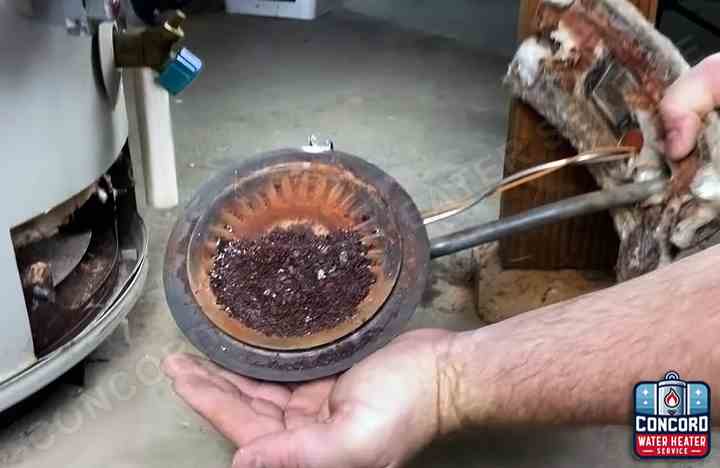
Water heaters usually show clear warning signs before they fail. The most common signs include strange noises, rusty water, inconsistent temperatures, and visible leaks. Catching these early can prevent full system failure and expensive replacement.
Take a quick glance at your water heater now and then? Might just save your morning routine and your bank account. Our professional water heater repair and maintenance isn't merely about extending equipment life—it keeps those utility costs from creeping skyward when you're not paying attention.
Hearing mysterious knocking from the basement? Noticing moisture where there shouldn't be? Water never quite reaching the temperature you need? Don't wait. Give me a call at 925-338-9333 for a no-obligation inspection. No pressure, no sales pitch—just solutions.
Key Takeaways
- If your water heater is pushing past the 10-year mark, it's living on borrowed time. About 90% of failures stem from sediment buildup and corrosion.
- Don't ignore early red flags like rusty water or climbing energy bills - they're usually symptoms of deeper issues.
- With proper care, tank water heaters typically last 8-12 years, while tankless models can go 20+ years.
- Putting off water heater problems often leads to leaks, bigger repair bills, or complete system failure.
- Energy Star® models can cut your energy costs by 10-50%, but only if you keep them well-maintained.
Unusual Noises Coming From Your Water Heater
Your water heater should be one of the quieter appliances in your home. When it starts talking back with pops, rumbles, or high-pitched whines, it's trying to tell you something's wrong. These sounds often happen when sediment builds up at the bottom of the tank, trapping water underneath until it creates steam bubbles that burst through. I've covered this in more detail in my 'Strange Water Heater Noises' section if you're hearing something concerning.
Ignoring these noises can put you on the fast track to system failure. An annual tank flush can make a world of difference in extending your heater's life. Don't wait until you're forced to take cold showers - give me a call at 925-338-9333, and I'll help keep your hot water flowing reliably.
Rusty or Discolored Water
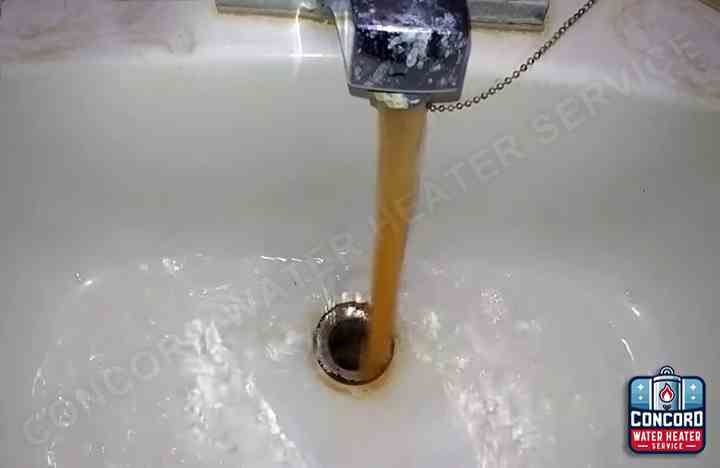
When you turn on the hot tap and see brownish or reddish water flowing out, that's your water heater waving a red flag. This discoloration typically means rust is forming inside your tank, with those rust particles hitching a ride with your hot water and leaving stains on fixtures and laundry.
If only your hot water shows this rusty tint, the culprit is usually a failing anode rod inside your tank. When both hot and cold water come out discolored, you're likely dealing with corroded pipes throughout your system, not just the water heater.
While the EPA notes that "discolored water isn't always unsafe to drink, it can damage appliances and reduce water quality."
| What's Happening | How to Fix It |
|---|---|
| Rusty water | Get your tank flushed yearly to clear out sediment |
| Worn-out anode rod | Replace it every 5 years during regular maintenance |
| Sediment piling up | Call me for professional troubleshooting |
Rusty water isn't just an eyesore - it signals serious corrosion that can weaken your tank walls and create leak risks. Even if the water looks okay sometimes, those particles can still clog fixtures and irritate your skin. Give me a call at 925-338-9333 for a checkup before these small issues grow into expensive problems. Proper maintenance can add years to your system and prevent those middle-of-the-night emergencies.
Inconsistent Water Temperature
There's nothing worse than being halfway through a shower when the water suddenly turns icy. If you're experiencing these temperature swings, your water heater might be struggling with failing heating elements or sediment buildup. Left unchecked, these issues can lead to complete system failure.
Temperature fluctuations often stem from sediment collecting at the bottom of your tank. Sometimes the problem is a cracked dip tube that's allowing cold water to mix with your hot supply. Older systems can also develop what plumbers call the "cold water sandwich" effect.
If your water isn't heating properly, it could be several issues. Learn more in our No Hot Water Troubleshooting Guide.
On the flip side, water that's scalding hot typically points to thermostat issues or a faulty pressure relief valve. This isn't just uncomfortable - it creates safety hazards and increases the risk of tank leaks.
Quick fixes like adjusting your thermostat or flushing sediment might solve the problem temporarily. But if these issues keep returning, you likely need a professional repair service to address the root cause. Sediment buildup causes roughly 30% of heating problems I see. If your DIY attempts aren't working, give me a call at 925-338-9333 for expert help before minor temperature inconsistencies lead to bigger, more expensive problems.
Reduced Hot Water Pressure
When your once-strong shower flow becomes a disappointing trickle, your water heater might be crying for help. Poor hot water pressure often signals more serious issues like mineral buildup or pipe corrosion.
Sometimes the fix is as simple as checking a partially closed valve or straightening a kinked line. But frequently, these pressure drops affect everything from your morning shower to how well your dishwasher cleans.
Several culprits might be behind your pressure problems:
- Sediment clogging up heating elements and slowing water movement
- Old galvanized pipes narrowing from years of corrosion
- Pressure relief valves stuck in the closed position
Start troubleshooting by checking your shut-off valves to make sure they're fully open. Try running cold water first - if that pressure seems fine, the issue likely lives within your heater. For standard tanks, annual flushing helps prevent buildup. If you have a tankless model, the heat exchangers might need cleaning.
Don't wait if your pressure drops significantly. Call me at 925-338-9333 right away, as this could indicate a serious problem brewing. As the folks at Repipe Specialists point out, annual system checks are crucial for catching these issues early.
Ignoring dropping water pressure can lead to complete system failure, potentially costing thousands in emergency repairs and home damage.
Here are signs you need professional help right away:
- Rust flakes visible when you drain some water
- Pressure drops accompanied by temperature changes
- Flow improves only after running water for several minutes
To maintain good pressure long-term, consider installing a water softener if you live in a hard water area. Replacing aging pipes with modern materials can also prevent future restrictions. Regular maintenance isn't just about avoiding problems - it's about saving money and extending your system's life.
Water Leaks Around Your Heater
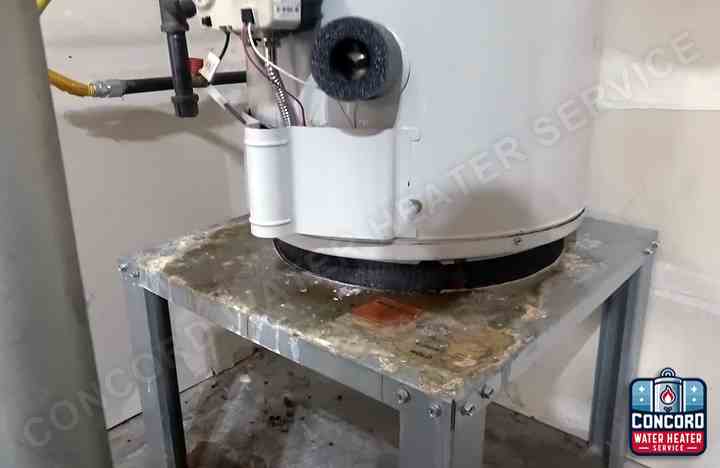
Finding puddles near your water heater is never good news. These leaks can damage flooring, walls, and lead to mold growth if ignored. They also signal that something's failing inside your system.
Top of Tank Leaks
Moisture around the top connections often comes from loose pipe fittings or issues with the temperature and pressure relief valve. Look for drips around upper connections and check if excessive water pressure is forcing the T&P valve to release water. Ideal pressure should stay between 50-60 psi.
If you tighten connections but the leaking continues, you'll need professional help to resolve the problem.
Bottom of Tank Leaks
Water pooling beneath your tank usually means the tank itself is corroding from the inside out. As rust eats through the metal, tiny holes form that allow water to escape. Unfortunately, tank replacement is typically the only solution once this happens.
Visible rust on the outside is a troubling sign that internal damage is already extensive.
Connection and Valve Leaks
Sometimes the problem isn't the tank but rather loose valves or fittings. Check your supply lines, drain valve, and T&P valve for any signs of dripping. Tightening connections or replacing worn parts might solve these issues, but if the tank itself is leaking, you're looking at a bigger problem.
Don't mistake normal condensation for leaks. True leaks leave puddles that grow larger over time. If you spot leaking, shut off the water supply and power to your unit right away, then call me at 925-338-9333 immediately.
Regular maintenance checks and annual flushing prevent most leak issues before they start. Replacing your anode rod every few years slows down corrosion dramatically. Staying on top of maintenance can extend your heater's lifespan by up to 50% and save you thousands in water damage and emergency repairs.
Foul Smell or Metallic Taste in Hot Water
When your hot water smells like rotten eggs or leaves a metallic aftertaste, your water heater is sending you warning signals. That sulfur smell typically comes from bacteria feeding on naturally occurring sulfur, especially in well water systems. A metallic taste usually means your tank lining is corroding or your anode rod is wearing down.
The YouTube video below explains more about water heater odors and how to address them:
Different smells and tastes point to specific problems:
- Rotten egg odor: Bacterial growth in stagnant water or well systems
- Metallic flavor: Inner tank corrosion or deteriorating anode rod
- Garlic-like smell: Chemical reactions happening with aluminum components
| Problem | Solution |
|---|---|
| Sulfur smells | Replace magnesium anode rod (every 3-5 years) or switch to aluminum (lasts 7-10 years) |
| Corrosion issues | Flush tank yearly and consider a water softener for hard water areas |
| Bacterial growth | Temporarily raise temperature to 120°F to kill microbes |
Ignoring these water quality issues speeds up tank deterioration. Have a professional check your system every couple of years, especially if you notice tan particles or brownish water. Regular maintenance like checking your anode rod can save you from premature replacement costs. Give me a call at 925-338-9333 if you notice any unusual tastes or smells. Keeping your water heater clean isn't just about equipment longevity - it affects your entire plumbing system and family's health.
The Age Factor: When Your Water Heater Is Living on Borrowed Time
Understanding your water heater's expected lifespan helps you avoid that dreaded middle-of-the-night breakdown. Let's look at how age affects performance and when it makes sense to consider replacement.
| Type | Average Lifespan | Replacement Cost Range |
|---|---|---|
| Tank Water Heaters | 8–12 years | $1,400–$2,400 |
| Tankless | 15–20 years | $2,900–$3,800 |
| Solar | 15–20 years | $4,500–$10,000 |
Typical Lifespan of Different Water Heater Types
Electric models generally last 8-12 years with proper care. Tankless units can stretch to 20 years if maintained well. If you live in an area with hard water, you might see shorter lifespans because of mineral buildup.
Regular maintenance, especially annual sediment flushing, can add years to any system's life.
Warning Signs in Older Units
- Frequent repairs costing more than half of a new unit's price
- Rusty water or visible tank corrosion
- Unusual noises from aging components
Units over 10 years old typically face declining efficiency, even if they still work. If your heater is approaching its expected life expectancy and showing multiple issues, it's usually smarter to budget for water heater replacement than to keep pouring money into fixes. At Concord Water Heater Service, we handle hundreds of replacements yearly and often see catastrophic failures like ruptured tanks and broken elements in older units.
Need help figuring out how old your system is? Call me at 925-338-9333 for a free assessment. Planning for replacement before an emergency strikes can save you thousands in water damage and rushed installation costs.
Understanding Water Heater Failure and Its Consequences
I've seen firsthand how water heater failures can turn into household disasters. With over a quarter of U.S. homes having aging systems, ignoring maintenance is a risky gamble.
When a water heater fails completely, it can flood your home with dozens of gallons in minutes, causing serious property damage and expensive repairs. Beyond water damage, there are safety concerns like gas leaks or electrical shorts that can put your family at risk.
The most common problems with water heater failure include:
- Property damage from leaks (making up 69% of all related insurance claims)
- Carbon monoxide dangers from malfunctioning gas models
- TPR valve failures leading to dangerous pressure buildup
| Proactive Replacement | Emergency Replacement |
|---|---|
| Saves 20-30% over 5 years | Rush repairs cost 3x more than planned upgrades |
| Option to choose Energy Star models for better efficiency | Risk of settling for whatever's available in an emergency |
| Access to Kings Peak's Plus 5 warranty extension | Higher risk of tank ruptures or system failure |
Each year you put off maintaining your water heater, it becomes roughly 5% less efficient, potentially raising your energy bills by 40% before it eventually fails. Simple maintenance like flushing tanks and replacing anode rods helps prevent this decline.
According to EPA research, rust accelerates corrosion exponentially once it starts, making leaks inevitable if left unchecked.
Don't wait for a weekend emergency to address your water heater concerns. Call me at 925-338-9333 for a free assessment. A little preventive care today can save you from a major headache (and expense) tomorrow.
Conclusion: Don't Wait Until It's Too Late
Throughout this article, I've walked you through the warning signs that your water heater needs attention - from those strange gurgling noises to rusty water coming from your taps. Ignoring these early signals often leads to bigger headaches: leaks damaging your home, costly emergency repairs, or waking up to an ice-cold shower when the system finally gives out.
If your water heater has been faithfully serving for over a decade or breaks down frequently, it's probably time to consider replacement options. Today's tankless models offer impressive energy savings and longer life expectancy, potentially cutting your utility bills while avoiding the common pitfalls of traditional tank systems.
I can inspect your current setup and help you make the best decision for your home and budget - whether that means addressing minor issues before they escalate or guiding you through replacement options.
Waiting until your water heater completely fails can cost thousands more in emergency service fees and potential water damage. Systems older than 10 years are living on borrowed time, with failure rates increasing dramatically with each passing year.
Don't risk being caught without hot water when you need it most. Schedule a free inspection today. - and no more worrying about that dreaded cold shower surprise.
FAQ
How can I tell if my water heater is failing?
Watch for warning signs like unusual banging or rumbling noises, water that looks rusty or discolored, temperature that fluctuates unpredictably, or reduced hot water pressure. Any visible leaking around the unit is a serious red flag that needs immediate attention.
What do popping and cracking sounds from my water heater mean?
Those strange noises typically happen when sediment builds up at the bottom of your tank. Water gets trapped underneath this layer and creates steam bubbles that pop as they break through the sediment. This is a sign your tank needs flushing.
Is rusty water coming from my hot taps dangerous?
Rusty water signals that your tank is corroding internally, often because the protective anode rod is failing. While not immediately dangerous to health, this corrosion will eventually lead to leaks and tank failure if not addressed by a professional.
Why is the hot water temperature inconsistent?
Temperature fluctuations usually point to a failing heating element, thermostat problems, or sediment buildup that's interfering with heating. All these issues need professional attention before they lead to complete system failure.
What causes reduced hot water pressure?
Poor pressure typically stems from mineral and sediment accumulation restricting water flow. Check for issues like clogged pipes or partially closed valves before calling a pro. This differs from whole-house pressure problems, which affect both hot and cold water.
How serious are leaks around my water heater?
Very serious. Leaks can cause significant property damage and encourage mold growth. Finding the exact source is crucial - whether it's a simple fitting that needs tightening or a sign that your tank is failing. Leaks from the tank itself usually mean replacement time.
What does a foul smell or metallic taste in hot water indicate?
A rotten egg smell typically means bacteria are growing in your tank, especially common in well water systems. Metallic tastes usually point to internal corrosion issues. Both situations warrant professional inspection soon.
How long can I expect my water heater to last?
Traditional tank water heaters typically last 8-12 years, while tankless models can go 15-20 years or longer with proper maintenance. Your system's lifespan depends heavily on water quality, usage patterns, and how well you maintain it.
What should I do if my water heater completely fails?
First, shut off the water supply to prevent flooding, then cut power to the unit. Call a professional immediately at 925-338-9333 for emergency service. Quick action can prevent water damage to your home.