Key Takeaways
- Banging or knocking sounds may indicate sediment buildup in the tank.
- Hissing or bubbling noises could mean water is leaking onto hot surfaces.
- Squealing or whistling sounds often come from loose valves or air escaping.
- Regular maintenance can prevent many noise-related issues.
- Know when to call a professional to avoid further damage.
Introduction to Water Heater Noises
When your water heater begins to make unexpected sounds, it can leave you feeling uneasy. Occasionally, the noise may simply be part of normal operation, but at other times, it could indicate that your unit requires a check, particularly if it becomes a recurring issue. Listening carefully to these sounds can help you avoid bigger problems down the road. Strange noises are just one of many signs your water heater needs repair
Regular maintenance is key, and working with a service like Concord Water Heater Service can make diagnosis and repair much easier. Here are a few common reasons you might hear odd noises:
- Loose or vibrating parts inside the heater.
- Buildup of sediment that disrupts normal water flow.
- Air pockets or small leaks that change the way your heater functions.
Don't ignore unusual sounds. A proper water heater service can often identify problems early, saving you time, money, and discomfort in the long run.
Common Causes of Strange Noises
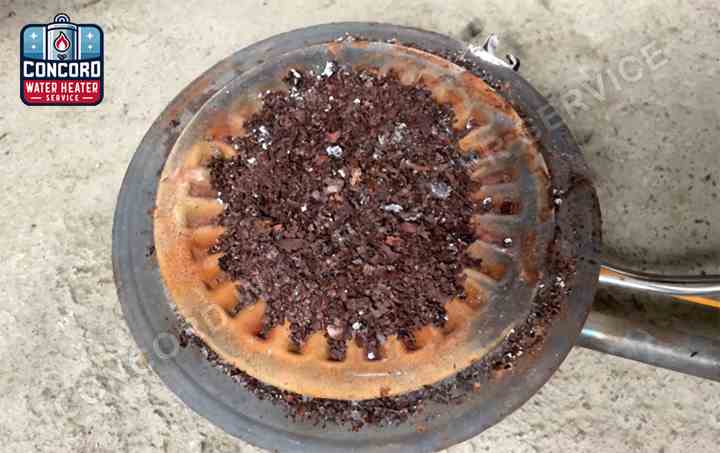
Banging or Knocking Sounds
Banging or knocking noises can be quite startling, especially when you expect silence from a household appliance. Causes might include sediment buildup at the bottom of the tank or water hammer—a situation where water suddenly stops moving, causing pipes to shake. Here are a few reasons to look into:
- Sediment that has hardened and is breaking away
- Loose or worn-out components in the plumbing
- Sudden stoppage of water flow that sends shock waves through the pipes
If these sounds become frequent, it might be time to consider a routine water heater service. Paying attention early can save you a lot of headaches later on.
Hissing or Bubbling Noises
Hissing or bubbling sounds are often linked to internal pressure issues or the movement of water inside the tank. These noises can pop up when the water heater is heating water too quickly or if there's a minor leak causing continuous bubbling. If these issues are accompanied by temperature problems, check our No Hot Water Troubleshooting Guide for additional solutions. The culprit might be:
- Pressure imbalances due to scaling
- Valve malfunction that disrupts normal water flow
- Air trapped inside the system
Addressing these issues can help maintain steady operation and avoid more serious problems down the road.
When to Worry About Water Heater Noises
Not every sound coming from your water heater means trouble. In many cases, a few noises are just part of its normal operation. However, be concerned if you notice:
- Consistent loud banging or knocking that seems to grow louder over time.
- A hissing sound that persists, especially if accompanied by changes in water flow or temperature.
- Any rattling or vibration that feels out of the ordinary compared to the typical hum of a working unit.
If your water heater starts exhibiting these worrying signs, don't wait to act.
How to Diagnose the Problem
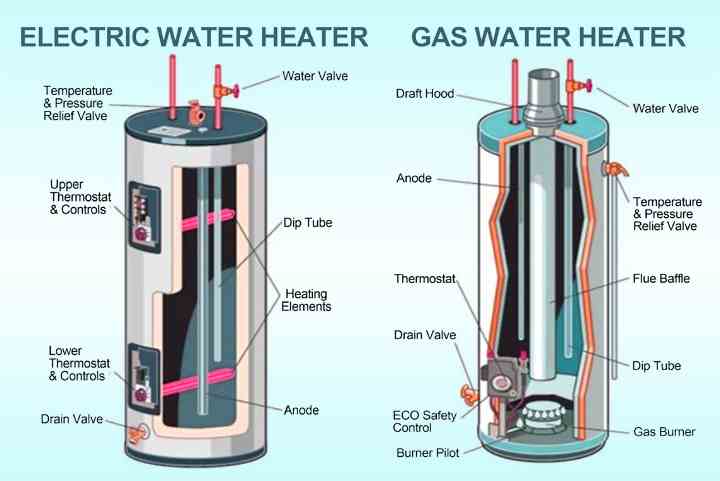
Checking the Temperature and Pressure Relief Valve
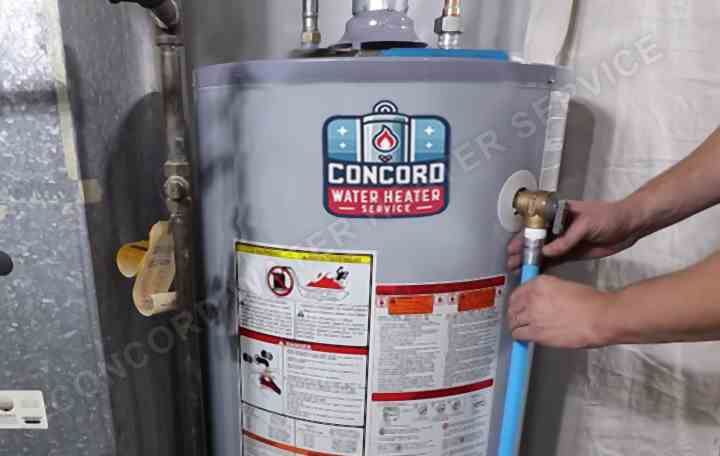
Sometimes a water heater makes odd sounds because of temperature and pressure relief valve issues. This valve is meant to release built-up pressure, which can cause noises if it doesn't work right. Here are a few steps to help you check it:
- First, turn off the power or gas supply to the heater.
- Next, carefully lift the valve lever to observe if water is released smoothly.
- Then, inspect for any debris or mineral buildup that might be blocking a proper discharge.
- Finally, if the lever sticks or no water is released, the valve may need to be replaced.
Always handle the valve carefully, as unexpected pressure can be hazardous.
Safety First!
When working with water heaters, always remember:
- Turn off power or gas before attempting any inspection
- Be cautious of hot surfaces and water
- If you smell gas, leave your home immediately and call professionals
- Never modify pressure relief valves – they're critical safety devices
Inspecting the Heating Elements
Another common culprit behind strange water heater noises is faulty heating elements. Over time, these elements can accumulate sediment or develop corrosion, leading to unsettling sounds. To inspect them, follow these steps:
- Disconnect all power sources completely to ensure safety.
- Remove the access panel to reveal the heating elements.
- Look for signs of mineral deposits or corrosion on the elements.
- If you notice significant buildup or damage, cleaning or replacing the elements might solve the issue.
DIY Solutions for Minor Issues
If your water heater is acting up with unusual noises, try some simple fixes before thinking about a full repair. Sometimes a few easy steps can clear up the issue without a lot of hassle.
Here are a few steps you can try on your own:
- Check for any loose bolts or fittings and tighten them.
- Drain and flush the tank to remove sediment build-up.
- Inspect the heating elements for signs of damage or debris.
Common DIY Fixes by Noise Type
| Noise Type | DIY Fix Suggestion |
|---|---|
| Banging/Knocking | Tighten mounts and secure loose fittings |
| Hissing/Bubbling | Flush the tank and inspect the valve |
| Squealing/Whistling | Check water pressure and look at heating element |
If these DIY approaches don't resolve the issue, you may need professional water heater repair services to address more complex problems.
When to Call a Professional
If your water heater starts acting up with strange noises and nothing seems to fix it, it's a sign you might need some help. Don't wait if you hear heavy banging or constant whistling – safety always comes first. When DIY fixes don't cut it, a professional can help spot issues that aren't obvious.
Here are some signs you should consider calling in a pro:
- A persistent clatter or knock that doesn't stop, even after you've drained the water heater.
- Odd smells like burning or gas around the unit.
- Sudden shifts in water pressure when the heater is in use.
Need Help With Your Water Heater?
Our team of experienced professionals is ready to diagnose and fix any water heater issue. We offer free inspections and the best price guarantee in Concord - we'll match or beat any competitor's price by 10%.
Call us today at (925) 338-9333 for immediate assistance!
Schedule Your Free InspectionPreventive Maintenance Tips
Keeping up with simple maintenance tasks can save you a lot of hassle down the road. If you take some time every now and then to check on your heater, you're less likely to get caught off guard by those strange noises. For example, regular upkeep extends the life of your water heater. Small, consistent efforts can catch potential problems early without a major expense later.
Here are several actions to consider doing regularly:
- Flush the water tank at least once a year to clear out sediment.
- Test the temperature and pressure relief valve to ensure it's working properly.
- Check the anode rod to prevent corrosion and extend your heater's lifespan.
- Lower the water temperature a bit if you notice more noise than usual.
Conclusion
Wrapping up our conversation on water heater noises, it's clear that a few small tweaks in maintenance can save you from bigger headaches later. If you live in Concord CA or anywhere else, keeping your water heater in check is something you can easily handle with a bit of work. Regular care today can prevent a disaster tomorrow.
Here are a few practical steps to keep your water heater running smoother:
- Check the temperature and pressure relief valve periodically.
- Flush the tank to remove sediment buildup.
- Monitor unusual sounds and schedule maintenance if you detect changes.
Following these basic procedures can help you avoid unnecessary costs and stress. Remember, even small efforts now can mean fewer issues down the road. Keep an eye on your heater, and don't hesitate to call in professional help if things sound off.